
Affidavit Template
An affidavit is a sworn statement, signed under oath, employed in legal cases to present verified facts or testimony. These forms act as evidence in numerous types of personal and family-related issues.
Trusted by 10,100 users.
Will this affidavit be used in a court case?
Fill forms in a few steps
Save, print & download
Done in 5 minutes
What Is an Affidavit Form?
An affidavit, otherwise known as an Affidavit Letter, is a written, sworn statement that enables individuals to make legally binding declarations for both legal and personal purposes.
These letters are commonly accepted as evidence in court cases but can also be applied in business dealings, personal matters, or government forms where additional assurance is necessary. By signing an affidavit, the individual swears by the truthfulness of their statement.
Difference Between a Sworn Statement and Affidavit
A sworn declaration is comparable to an Affidavit but is delivered in an oral statement rather than a written document.
In contrast, an Affidavit Letter provides the signatory's (affiant's) facts in written form. Both types of evidence are made under oath.
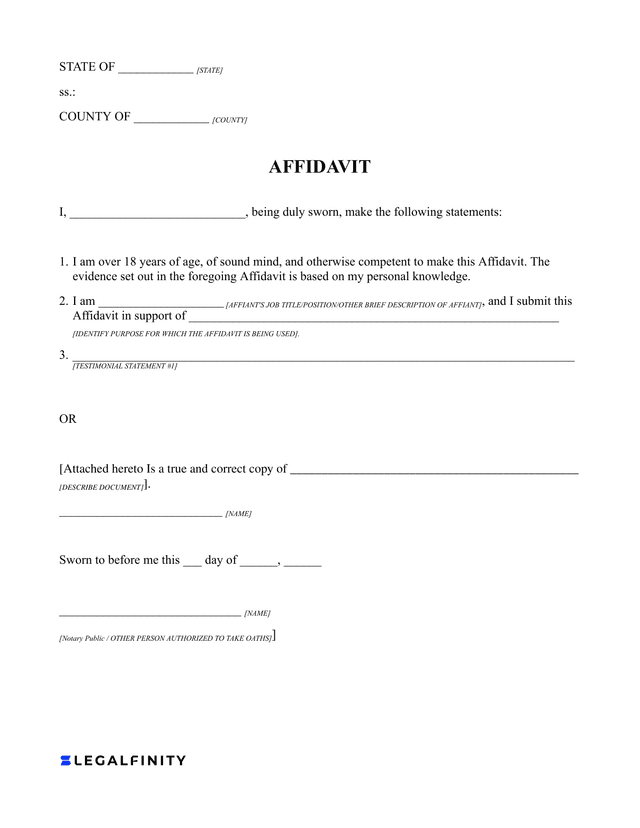
Example Affidavit Letter
To make sure that you know how to create your Affidavit, we have included a sample letter below:
The Purpose of an Affidavit Form
Affidavits serve the primary purpose of clarifying facts. They are frequently used in courts and legal proceedings to provide witness statements for individuals who cannot appear in person.
However, their utility extends far beyond the courtroom, as they are essential in various contexts.
For example, affidavits are commonly used in personal affairs and business necessities.
They play a crucial role in completing important legal processes, such as managing real estate transactions or estate planning.
Additionally, a number of entities rely on affidavits in their day-to-day operations, including banks, credit bureaus, real estate agencies, and more.
These documents provide a reliable way to present facts under oath, helping to give validity and legal standing in a wide range of situations.
When to Use an Affidavit Letter
An Affidavit is required whenever a sworn statement of truth is called for. This can apply to both legal and personal matters. For example, you may need to use an Affidavit when preparing certain legal forms, such as a quitclaim deed or a power of attorney. While there are numerous situations where an Affidavit can be utilized, some of the most common reasons include:
- To assist in settling the division of assets between spouses after divorce.
- Real estate property transfers
- Debt clarification
- To provide evidence for ongoing criminal or civil litigation
For this reason, this versatile legal document is an essential tool in many personal and professional scenarios.
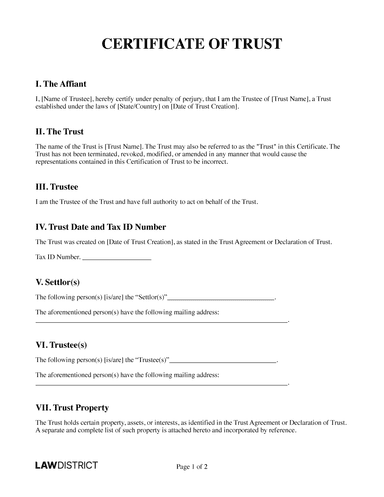
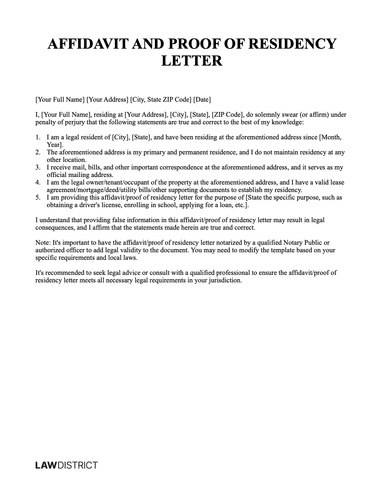
Types of Affidavit Letters
More Versions of Affidavit Letters
Various types of sworn statement forms can be created and used, depending on their specific purpose. Below are some of the most commonly used Affidavit forms and their unique functions:
General Affidavit
A general Affidavit is a versatile statement of truth that can be used for a wide range of functions. These forms are highly customizable and can be tailored to meet almost any specific legal requirement.
Affidavit of Support
This type of Affidavit is primarily used during the immigration process. The sponsor signs it, who is often the spouse of a non-citizen green card applicant. By doing so, they provide a legal guarantee of financial support for the prospective cardholder.
Small Estate Affidavit
In certain states, this Affidavit Letter is required when the executor of an estate or a representative needs to demonstrate that the deceased’s property falls below the small estate law threshold to distribute the assets quickly and efficiently.
How To Write an Affidavit Form
When drafting an Affidavit, it’s critical to follow formal rules to make sure it is considered a valid legal document. Every affidavit must include the following key components:
- Oath: A statement from the affiant (the person making the affidavit) swearing an oath of truthfulness and confirming personal knowledge of the information provided.
- Key information: The specific details or facts that the affiant is swearing to be true.
- Affiant’s signature: The signature of the affiant, affirming their commitment to the truthfulness of the document.
- Official attestation: The formal certification by an authorized official, such as a notary public, who is qualified to administer oaths.
To help make sure your Affidavit is clear and compelling, write in short sentences, avoid complicated legal vocabulary, organize your thoughts logically, and keep the document concise.
Also, try to avoid ambiguity by refraining from using absolute terms like “always” or “never,” and proofread thoroughly for any spelling or grammatical errors.
Use our Affidavit template to help you adhere to these guidelines and create a well-structured and legally sound affidavit. Once it’s drafted, you can have it reviewed quickly by a legal professional.
Signing and Notarizing an Affidavit
To be legally valid, an affidavit must be signed and notarized. This process certifies the document and helps make sure that it meets any witnessing requirements specific to your type of affidavit.
By completing this step, the Affidavit form becomes a legally recognized statement that can be used in legal or official proceedings.
How To Sign and Notarize an Affidavit Template
Properly signing and notarizing an affidavit is essential to ensure its legal validity. It’s crucial to follow these steps carefully:
- Fill out the Affidavit template: Complete all required sections of the template. Double-check that all information is accurate and complete, as this document will serve as legal evidence.
- Sign the Affidavit: Sign the form in the designated area, in the presence of a notary public, to confirm the authenticity of your signature and verify your identity.
- Notarize the document: Present the signed Affidavit to a notary public. The notary will confirm your identity, witness your signature, and affix their official seal to finalize the letter.
By following these steps, your affidavit will be properly signed and notarized, making it legally valid and ready for use in any legal proceedings.
Consequences of Lying on an Affidavit
Making false statements on an Affidavit can result in serious legal consequences.
Since the document is signed under oath and legally binding, anyone who lies in an affidavit may face perjury charges. This is a criminal offense that can lead to severe penalties.
For this reason, it is vital to make sure that all claims made in an affidavit are accurate and truthful before signing it.
What Are the Penalties for Lying on an Affidavit?
Truthfulness is a fundamental requirement of any affidavit. Providing false information on this type of legal document can result in serious legal consequences. Since an affidavit is signed under oath and is legally binding, lying on it constitutes perjury - a criminal offense. Penalties for perjury can include:
- Fines
- Imprisonment
In federal cases, perjury can result in up to 5 years in prison. Apart from any legal consequences, making false statements on an Affidavit can severely harm your credibility in future legal matters. Courts treat false statements with the utmost seriousness, and lying can have long-term consequences for your reputation and legal standing.
Try Legalfinity Now
Instant and complete access to our entire library of legal forms
Edit, download and print in PDF and Word format from any device
Save time and money on legal document creation